Capital that matches the velocity of distribution.
Wholesale distributors live in the gap between buying inventory and collecting from buyers. The size of that gap, and the capital structure required to bridge it, depends on whether you sell to mom-and-pop retailers, big-box chains, or other distributors — each pays on a different timeline.
How do distributors finance the gap between buying and getting paid?
Two tools, and most distributors end up using both. A line of credit funds the buy side: you draw to pay the supplier and repay as the goods ship out. Factoring funds the sell side: you sell the invoice to a funder and get most of the cash in a day or two rather than waiting out net 30 or net 60. Together they cover the whole cycle, from the day you wire the supplier to the day your buyer’s check clears. Which one you lead with depends on where your cash actually gets stuck.
What we see funded
- Inventory lines. Buying inventory ahead of season or in bulk for unit-cost discounts. Lines sized to one full inventory turn.
- AR factoring. Distributors selling to creditworthy retail chains face standardized 30–60 day terms. Factoring is the best fit.
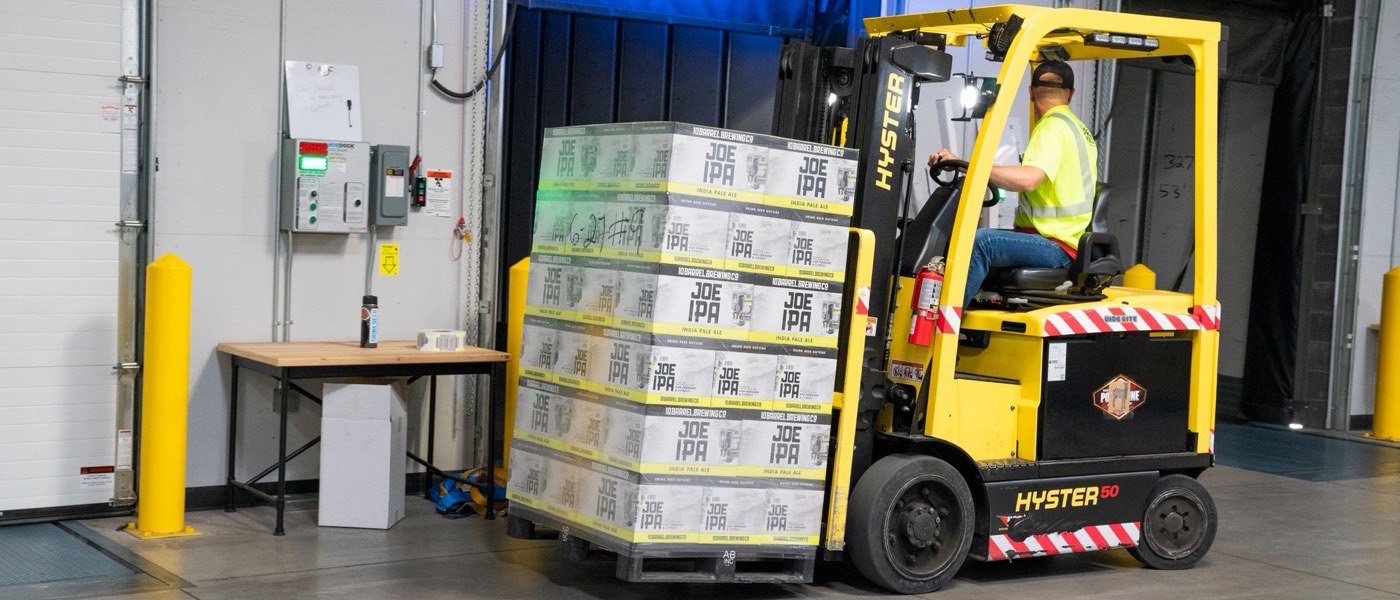
- Warehouse expansion. New facility, racking, forklifts, dock doors, refrigeration for cold-chain distributors.
- Technology investment. WMS upgrades, eCommerce integrations, EDI compliance for big-box accounts.
- Acquisition. Buying a competitor distributor or a complementary line of products from another distributor.
What a distribution deal usually looks like
A food-service distributor does $6M a year serving about 90 independent restaurants. Suppliers want payment in 15 days. The restaurants pay in 34. That 19-day gap, on roughly $500K of monthly purchasing, is about $310K of cash permanently tied up. We open a $400K line of credit. The distributor draws to pay suppliers and repays as customers settle. The line is never fully drawn and never fully idle.
Bigger projects run separately. Adding 12,000 square feet of racking, two dock levelers, and a used forklift comes to roughly $340K, financed over seven years on a term loan. A cold-chain distributor adding refrigeration goes longer still, because the equipment lasts longer.
What lenders look at
Inventory turnover is the number that matters most. It means how many times a year you sell through your stock and replace it. A distributor turning inventory eight times a year is converting cash quickly. One turning it three times has the same goods sitting three times as long, and lenders read that as money stuck on a shelf. They compare your number against what is normal for your product category, not against distributors in general.
Then three more checks.
Customer concentration. No single buyer above about 25% of revenue is the comfortable target. Above that, losing one account changes the business.
Supplier diversity. If one manufacturer supplies most of what you sell, a price change or a terminated distribution agreement lands entirely on you. This one draws real scrutiny.
AR aging. A list of who owes you and how overdue they are. Clean aging supports a bigger line. A book full of 90-day invoices does the opposite.
Distributors who also assemble or repack product get read partly like manufacturers, which usually opens up longer equipment terms.
What we recommend
If your cash gets stuck in inventory, lead with a line of credit sized to one full turn. If it gets stuck in receivables, lead with factoring. Expansion and acquisition are term-loan work. RBF is rarely right for an established distributor — the cost does not fit a low-margin business — but it works as a short bridge when a supplier offers a discount that expires this week.